
Introduction
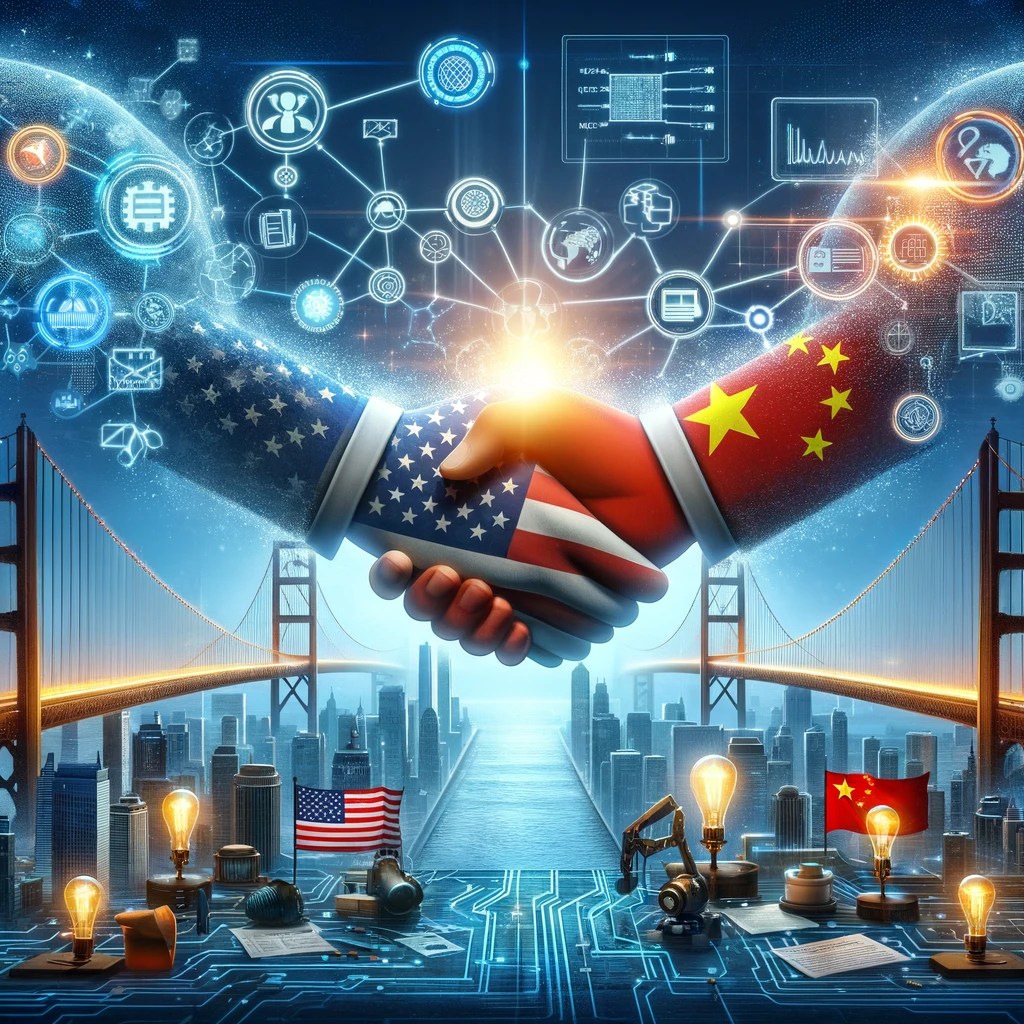
The global landscape of intellectual property (IP) protection and enforcement has been undergoing significant transformation, reflecting the growing recognition of IP as a cornerstone of innovation and economic development. Among the countries making substantial strides in strengthening their IP frameworks, China stands out. Its journey from a perceived IP outlier to a leader in IP legislation and enforcement marks a pivotal shift in the global IP ecosystem. This evolution is particularly consequential for American innovators, who face both challenges and opportunities in the vast and dynamic Chinese market. This article explores China’s progress in global IP protection and enforcement, highlighting its implications as a game-changer for innovators worldwide.
Historical Context and Recent Reforms
The path to modern IP protection in China has been marked by rapid and strategic reforms, reflecting the country’s commitment to fostering an innovation-led economy and aligning with international IP standards. The genesis of China’s IP transformation can be traced back to the late 20th century, coinciding with its opening up to the global market and accession to the World Trade Organization (WTO). In recent years, China has accelerated its IP reforms, culminating in the enactment of the new Patent Law in 2021. These reforms are driven by a multifaceted agenda: enhancing domestic innovation, satisfying international trade partners, and playing a more influential role in the global IP regime.
Overview of China’s New Patent Law
The 2021 revision of the Chinese Patent Law marks a significant milestone in China’s IP reform journey. Key features of the new law include enhanced protection for patent holders, the introduction of punitive damages for infringement, and provisions for extending patent terms under specific conditions. These changes not only strengthen the protection of IP within China but also signal the country’s commitment to fostering a more innovation-friendly environment. The new law aligns China more closely with international IP standards, offering a more robust legal framework for both domestic and foreign innovators.
Implications for American Innovators
Preemptive Patenting Strategy
For American companies eyeing the Chinese market, the revamped Patent Law offers both opportunities and imperatives. China’s market size and rapid technological advancement make it an indispensable arena for global innovators. However, the updated IP regime underscores the importance of a preemptive patenting strategy. Given the first-to-file system in China, American companies must consider securing patent protection in China early, even before they enter the market, to safeguard their innovations from being preemptively patented by local entities.
Cross-Border E-commerce Challenges
The rise of cross-border e-commerce has empowered Chinese small and medium-sized enterprises (SMEs) to sell directly to the U.S. market, bypassing traditional distribution channels. This development presents a nuanced challenge for protecting American innovations. The direct selling model through independent websites complicates IP enforcement, making it crucial for U.S. companies to obtain Chinese patents. Holding a Chinese patent enables American innovators to pursue legal action directly against infringing entities in China, offering a more direct and effective means of protection.
V. Strategic Enforcement and Litigation Under the New Law
The revised Patent Law significantly enhances the enforcement mechanisms available to patent holders, including American companies operating in China. The introduction of punitive damages for patent infringement is a game-changer, deterring potential violators by increasing the financial consequences of infringement. This move is aligned with international practices and is particularly important for industries where innovation cycles are rapid and the potential for infringement is high. Additionally, the streamlined litigation process and the establishment of specialized IP courts across China have made the legal system more accessible and efficient for foreign patent holders seeking to enforce their rights.
VI. Collaborative and Preventative Measures
Collaboration between the U.S. and China in the field of IP protection is crucial for creating a balanced and effective global IP ecosystem. The Chinese government has been engaging in dialogues and agreements with the U.S. to strengthen IP protection and enforcement. These collaborative efforts are complemented by educational initiatives aimed at raising awareness among Chinese enterprises about the importance of respecting IP rights. For American companies, adopting best practices such as conducting thorough IP due diligence and leveraging local partnerships can be effective in preventing infringement before it occurs. The challenge posed by cross-border e-commerce further underscores the importance of obtaining Chinese patents, enabling American innovators to directly address infringements by Chinese entities.
VII. Future Outlook and Recommendations
Looking ahead, China’s IP reforms are expected to continue evolving, reflecting the country’s commitment to becoming a leader in global innovation and IP protection. These changes will likely have a profound impact on international trade and the global innovation landscape, offering new opportunities and challenges for American innovators. It is crucial for American businesses and policymakers to stay informed about developments in China’s IP law and to adapt their strategies accordingly. Engaging with China’s enhanced IP protection regime, through both collaborative measures and strategic enforcement, will be key to safeguarding American innovations in the Chinese market.
VIII. Conclusion
China’s progress in IP protection and enforcement marks a significant shift in the global IP landscape, presenting both opportunities and challenges for American innovators. The strategic implications of China’s new Patent Law underscore the importance of early and effective patent protection strategies for U.S. companies looking to navigate the complex IP environment in China. By understanding and leveraging the changes in China’s IP regime, American innovators can better protect their inventions, ensuring their competitive edge in one of the world’s most dynamic markets.
#ChinaIPTransformation #InnovationLeadership #GlobalIPJourney #TechForIPProtection #IntellectualPropertyRevolution #IPEnforcementEvolution #ChinaInGlobalIP #PatentLawProgress #CreativityAndCompliance #StrengtheningIPR
 绿洲慧写 | AI 辅助专利撰写专家