
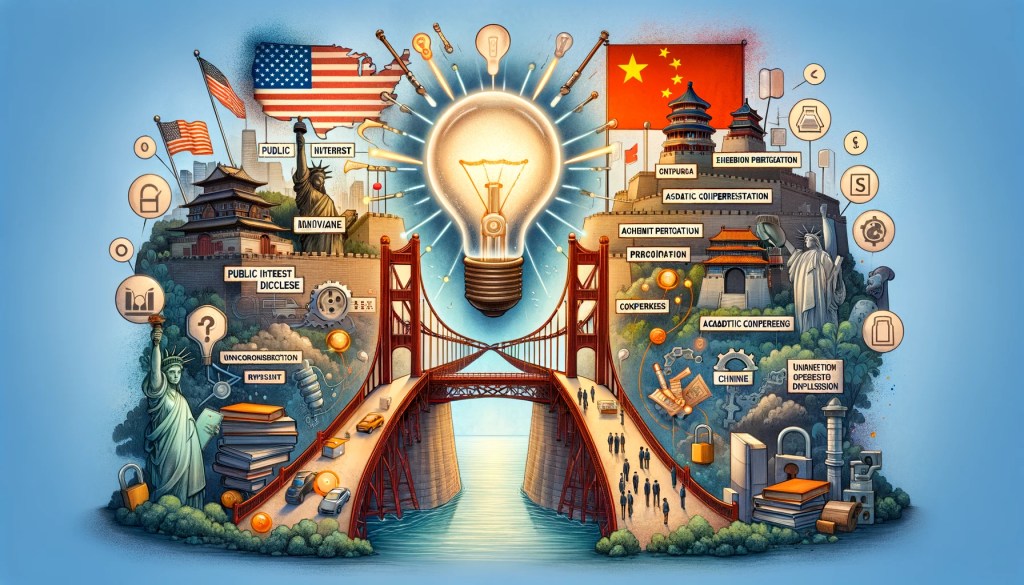
Navigating the waters of patent application in China can be complex, especially for U.S. customers looking to protect their innovations abroad. A key aspect to consider is the Disclosure Without Loss of Novelty provision under Article 24 of the Chinese Patent Law. This provision plays a crucial role in maintaining an invention’s novelty status under specific conditions, even if disclosed before the official patent application date. Here’s a breakdown of these critical conditions that could safeguard your invention’s novelty:
First Public Disclosure for Public Interest: If your invention is disclosed for the public good during a national emergency or extraordinary situation within six months before your application, it doesn’t lose its novelty. This requires a declaration at the time of filing and subsequent proof within two months, issued by relevant governmental departments.
Exhibition at Government-Organized or Recognized International Exhibitions: Innovations first exhibited at such exhibitions within six months before applying retain their novelty if declared upon filing, accompanied by proof from the exhibition’s organizing authority.
Publication at Specified Academic or Technical Conferences: Presenting your invention at recognized academic or technical conferences without losing novelty requires a declaration upon filing and proof, demonstrating the event’s relevance and your invention’s disclosure details.
Disclosure Without Consent: Unconsented disclosures within six months before application don’t affect novelty if properly declared and proved, detailing the disclosure’s circumstances and content.
For U.S. innovators targeting the Chinese market, understanding these nuances is vital. The grace period for non-loss of novelty offers a protective measure, allowing inventors to engage with the public and academic communities or respond to emergencies without jeopardizing patent rights.
Ensuring compliance with these regulations requires meticulous preparation and understanding of the Chinese patent system. As a patent agent specializing in bridging U.S. innovations with the Chinese patent landscape, I am here to guide you through these complexities, ensuring your inventions receive the protection they deserve in this dynamic market.
#iplaw #ip #patent #patents #Innovation #Intellectualproperty #Intellectualpropertyright #Intellectualpropertylaw #patentlaw #startup #China #businessstrategy #trademark #chinabusiness #patentattorney
 绿洲慧写 | AI 辅助专利撰写专家