
Introduction
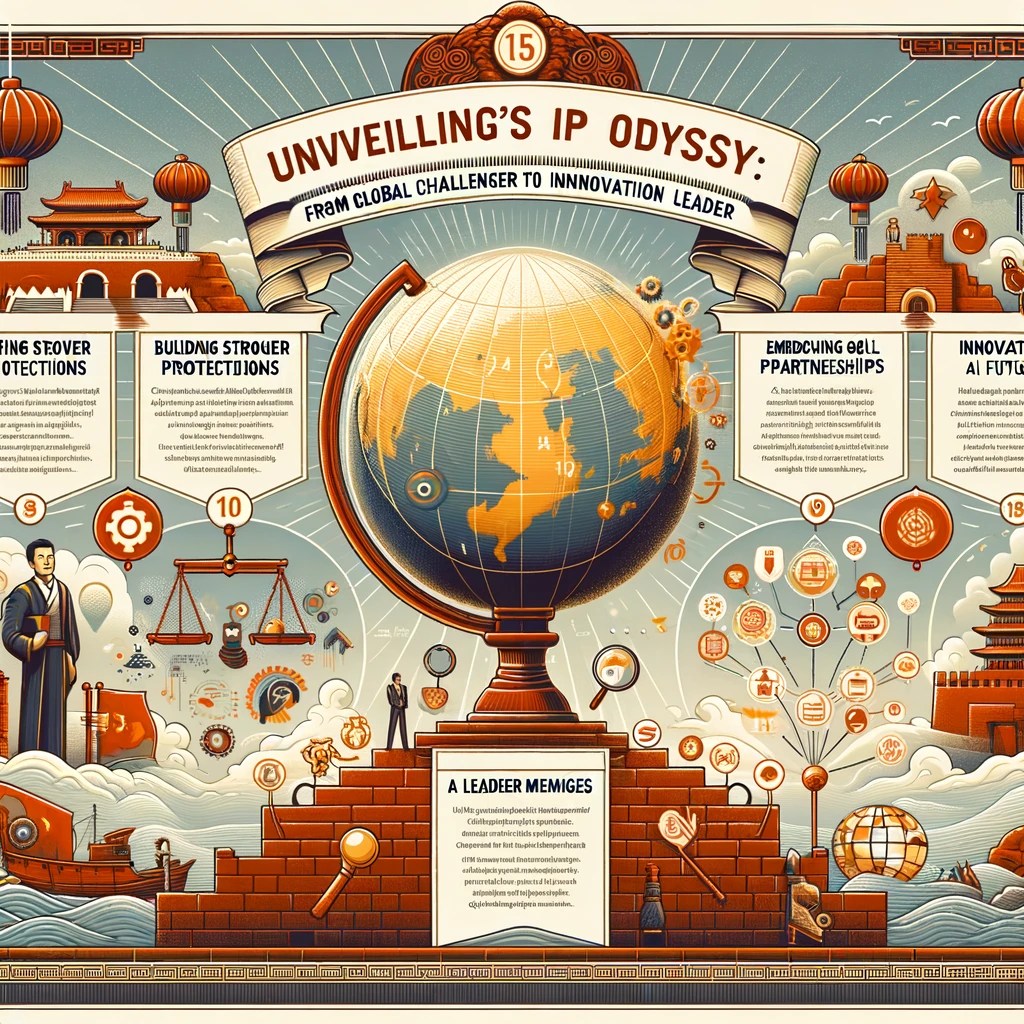
In today’s interconnected world, the protection of intellectual property (IP) stands as a lighthouse guiding the ships of economic growth, innovation, and fair play in international commerce. Nations across the globe have come to recognize the vital role that safeguarding IP rights plays in nurturing creativity, securing investments, and fostering a healthy competitive environment. China’s journey towards enhancing its IP framework is a story of transformation and determination. Once under scrutiny for IP protection shortcomings, China has embarked on a path of significant reforms, making strides in legislative, judicial, and technological arenas. This narrative explores the evolution of China’s role in global IP protection and enforcement, showcasing its development into a pivotal player on the world stage.
Historical Context of China’s IP Legislation
The saga of China’s IP laws unfolds with the country’s commitment to forging a robust IP landscape. The narrative began in the late 20th century, marking China’s entry into the global IP system. The establishment of the Patent Law in 1984, followed by the Copyright and Trademark Laws, laid down the initial bricks for IP protection in China. These laws have been sculpted and refined over the years, especially following China’s entry into the World Trade Organization (WTO) in 2001. Amendments have sharpened the teeth of enforcement, widened the umbrella of protection, and ensured fairness in procedures. The recent push for greater IP protection mirrors China’s pivot from a manufacturing behemoth to a beacon of innovation and creativity, underscoring its commitment to playing a constructive role in the international IP arena.
Legislative Frameworks and Reforms
China’s IP protection landscape has undergone significant renovations to fortify the rights of IP holders and align with global standards. This transformation is anchored in several key legislative pillars:
- Patent Law: The recent tweaks to the Patent Law have introduced mechanisms for extending patent terms, bolstering design patent protection, and creating a more robust patent linkage and dispute resolution framework. These enhancements serve as incentives for innovation and fortify the defense against pharmaceutical patent infringements, mirroring global best practices.
- Copyright Law: The law has evolved to cover a broader spectrum of works while imposing stricter penalties for copyright infringement, a move aimed at invigorating the creative sector.
- Trademark Law: Adjustments here have streamlined the application process, combated bad-faith registrations, and beefed up legal remedies for trademark infringement, thereby enhancing brand protection.
- Anti-Unfair Competition Law: This law tackles the gremlins of trade secrets theft, unfair competition, and internet-related IP infringements, casting a wider net of protection for businesses.
These legislative reforms are a testament to China’s dedication to nurturing an environment conducive to innovation and the effective protection of IP rights.
Judicial Practices and Enforcement Mechanisms
China’s strides in refining its judicial practices and enforcement mechanisms for IP rights are nothing short of remarkable. The establishment of specialized IP courts in major cities has marked a significant milestone, offering expert adjudication for complex IP disputes. These courts have been instrumental in boosting the efficiency and consistency of IP case rulings, often leaning towards progressive interpretations that favor IP protection.
On the other hand, administrative enforcement offers a swift and economical alternative to judicial proceedings. Despite its advantages, this dual enforcement system has faced criticism for inconsistencies and perceived leniency. Efforts are underway to fortify administrative enforcement through enhanced coordination and stricter penalties, addressing these critiques head-on.
International Cooperation and Compliance
China’s active participation in international IP protection endeavors has significantly increased. Its engagement with the World Intellectual Property Organization (WIPO) and adherence to the Agreement on Trade-Related Aspects of Intellectual Property Rights (TRIPS) underscore its commitment to global IP standards. Furthermore, China’s involvement in bilateral and multilateral agreements aims to boost IP cooperation and protection worldwide, influencing domestic IP policy reforms to align with international expectations.
Technological Advancements in IP Protection
China is harnessing technological innovation to bolster IP protection and enforcement. Blockchain technology, for instance, is being deployed for copyright registration and verification, providing a secure and efficient means of protecting creators’ rights. Additionally, AI-powered systems are being utilized to surveil online platforms for IP infringements, significantly enhancing the capability to tackle counterfeit goods and piracy head-on.
Comparative Analysis with Other Jurisdictions
A comparison of China’s IP regime with those of other major jurisdictions reveals a blend of shared values and unique approaches. While China has embraced international best practices in reforming its IP laws, it also pioneers innovative solutions, such as the rapid expansion of specialized IP courts and the adoption of cutting-edge technology in enforcement. This comparative lens highlights areas where China leads in IP protection and enforcement, as well as opportunities for learning from the global community.
Challenges and Opportunities
Challenges:
- Enforcement Consistency: Bridging the gap in IP enforcement across regions and between judicial and administrative bodies remains a work in progress. This inconsistency can cloud the effectiveness of China’s IP protection, casting shadows of uncertainty for investors.
- IPR Infringement: The battle against counterfeit goods and online piracy is ongoing. Despite technological advancements aiding enforcement, the chameleon-like nature of infringers requires continual evolution of strategies.
- International Perception: Changing the narrative around China’s IP protection status is a challenge. This requires not just steadfast reforms and enforcement but also effective communication with the global community.
Opportunities:
- Global Leadership in IP: China is poised to set a global benchmark in IP protection, particularly in digital copyright protection, showcasing its technological advances. Sharing its journey can enrich global IP governance.
- Strengthening Domestic Innovation: Fortifying IP protection can turbocharge China’s innovation engine, fueling economic growth and technological prowess.
- Enhanced International Cooperation: China has the potential to deepen its engagement in global IP protection, fostering a more interconnected and protective IP landscape.
Recommendations
To navigate the challenges and harness the opportunities, China can consider several strategies:
- Harmonize Enforcement Practices: Strengthening consistency across judicial and administrative systems can enhance predictability and reliability in IP protection.
- Embrace Technological Innovations: Investing in advanced AI and blockchain solutions can provide sharper tools in the fight against IP infringements.
- Elevate International Engagement: Proactive dialogue and partnerships can improve China’s international standing and foster mutual learning.
- Support SMEs: Tailored support for small and medium-sized enterprises can empower innovation at the grassroots level.
- Cultivate Public Awareness: Educational campaigns can nurture a culture of respect for IP, highlighting its importance to economic and creative vitality.
- Incentivize R&D: Encouraging research and development through incentives can spark innovation, particularly in leading-edge sectors like green technology and AI.
Conclusion
China’s journey in enhancing its IP protection and enforcement is marked by significant achievements and ongoing challenges. Its commitment to aligning with international standards and leveraging technology underscores its ambition to foster an innovation-driven economy and constructively participate in the global IP system. Addressing the existing challenges and seizing opportunities for further improvement will be crucial for China to solidify its IP regime, stimulate domestic innovation, and make positive contributions to global IP protection efforts. The path forward involves a collaborative effort from policymakers, businesses, and IP practitioners, guided by the insights and recommendations outlined in this narrative.
#ChinaIPTransformation #InnovationLeadership #GlobalIPJourney #TechForIPProtection #IntellectualPropertyRevolution #IPEnforcementEvolution #ChinaInGlobalIP #PatentLawProgress #CreativityAndCompliance #StrengtheningIPR
 绿洲慧写 | AI 辅助专利撰写专家